

Maximize your hotel’s profitability year-round
through high-value themed stays and wellness programmes
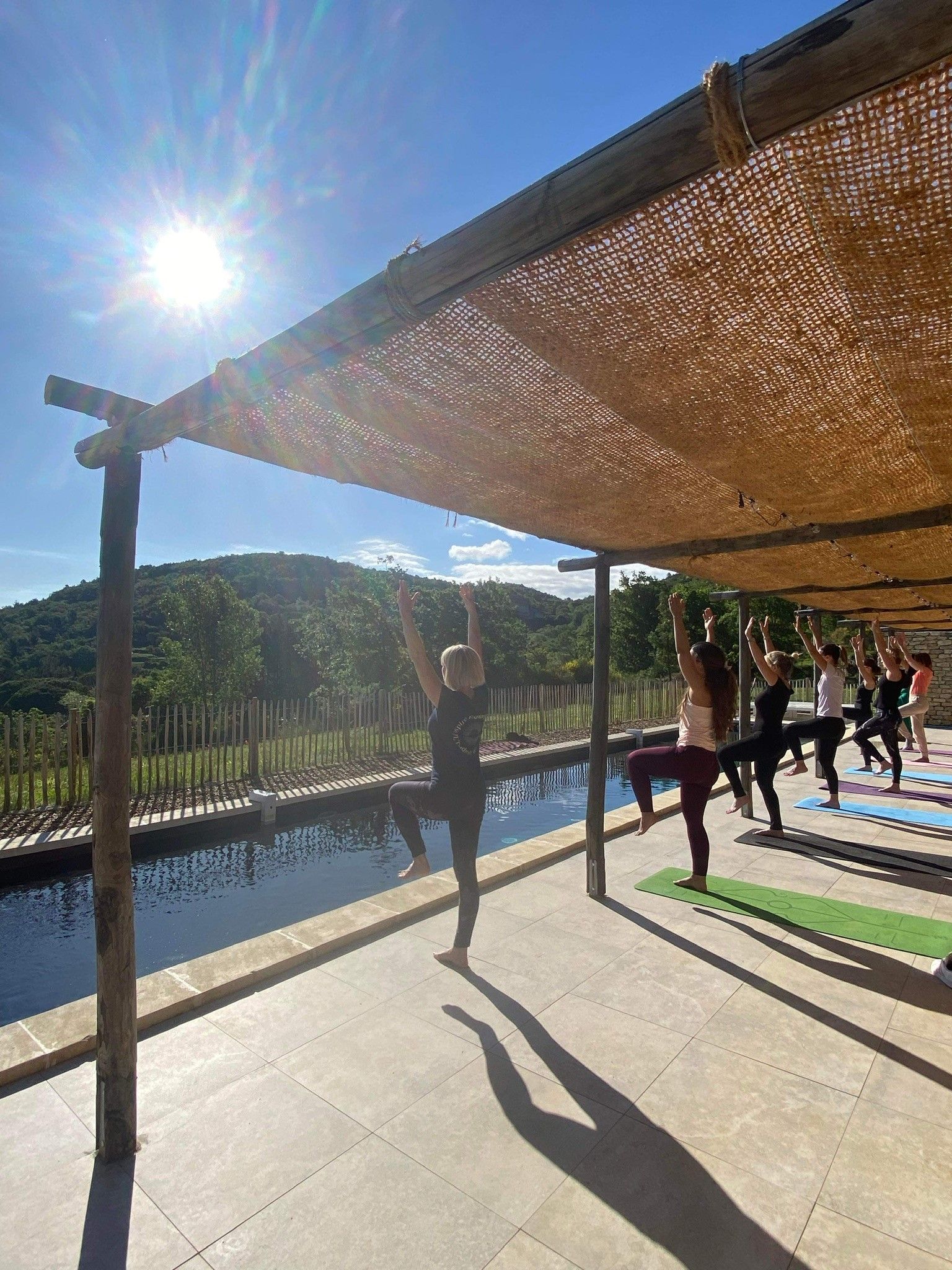
Extend the average length of stay at your hotel and confidently keep your property open all year round: increasing your hotel’s profitability is possible. Offering off-season health and relaxation stays, attracting a new clientele for wellness tourism at selected times of the year is the key to optimising your occupancy rate. Guest expectations are shifting towards personalised, enriching experiences. Fitness retreats and detox programmes are an ideal response to this growing demand. They also offer unique opportunities to improve your hotel’s profitability while enhancing your property’s appeal.
As a consultancy specialising in luxury hotel and spa advisory, we believe these initiatives are much more than a trend: they are a long-term strategy for transforming your hotel into an essential, profitable wellness destination.
Key benefits of health and wellness programmes
to operate your hotel year-round
1. Attract new spa and hotel guests
These stays meet the emerging needs of guests seeking preventive health, wellbeing, fitness or a chance to disconnect. They appeal both to regular spa-goers and to a wider audience looking for holistic wellness experiences.
2. Increase the average length of hotel stays
Extending stays is a major lever for improving profitability. Guests who sign up for programs such as longevity, fitness, or weight loss often commit to stays of several days or even weeks. They also often return year after year, much like guests at a health resort.
3. Optimise your hotel’s occupancy rate
Themed stays help reduce seasonality, as these offers attract guests throughout the year, including outside peak periods
Our expertise to help you
Increase Your Hotel’s Profitability






1. Stand Out from Competing Hotel Offers
The wellness market is competitive. Our mission: to create a unique, distinctive concept that reflects your property’s identity.
2. Build an expert team at your luxury property
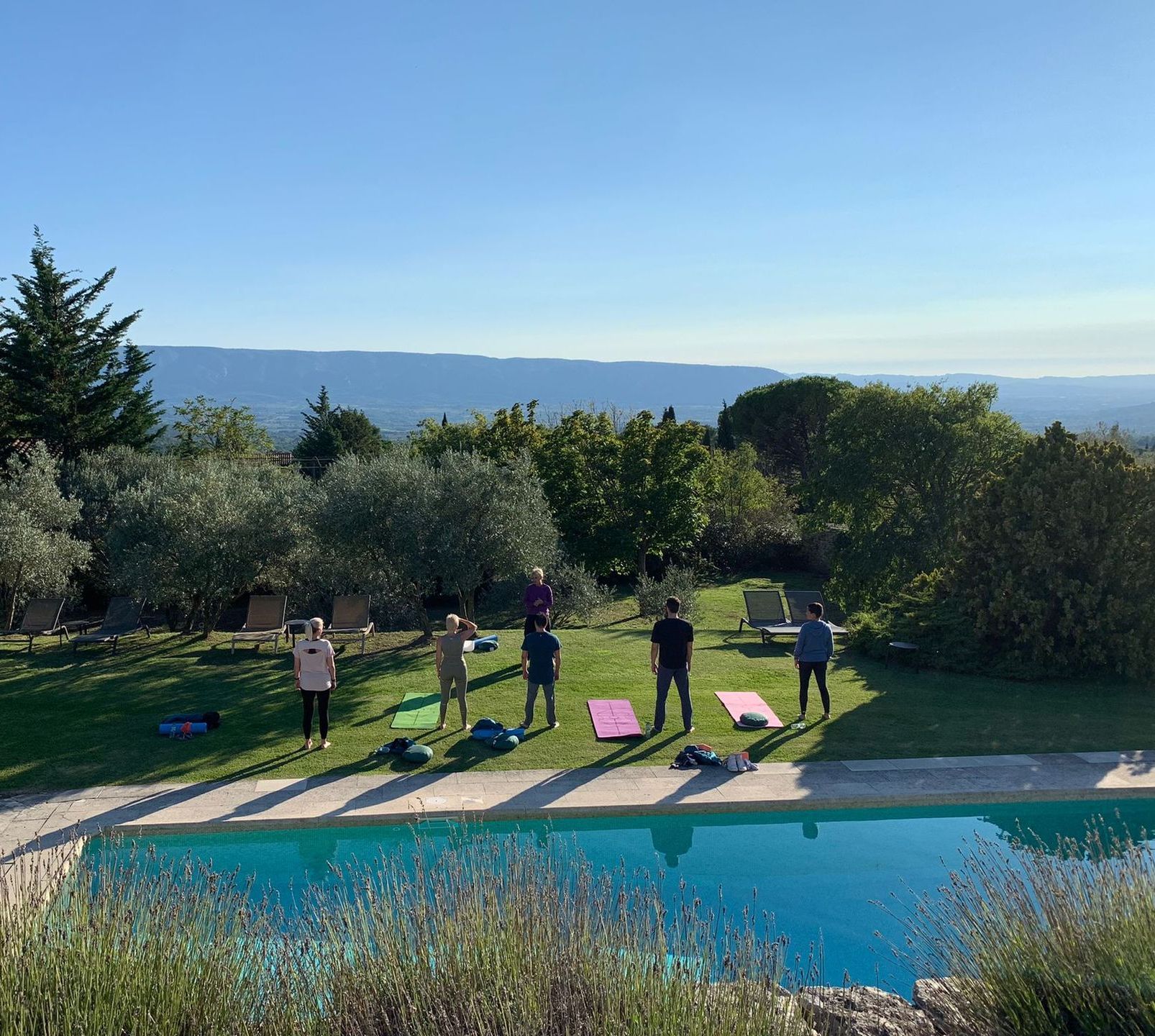
A successful wellness programme requires specialist staff to complement your team:
dietitian;
naturopath;
health and fitness coach;
chef trained in healthy cuisine.
To provide a coherent overall offering, the dining experience must also meet guests’ desire to look after themselves while enjoying gourmet cuisine. Our team can recruit and/or train your staff to deliver this. The aim is to provide a consistent wellness experience across all your hotel’s services.
3. Invest in the Right Sports and Wellness Facilities
Whether it’s fitting out a gym, creating a premium spa, setting up consultation rooms, or installing innovative technology, these investments are designed to ensure program success and a reliable return.
Proven expertise
in creating wellness concepts

Discover Our Projects in Photos!
As part of their spa design, these establishments also entrusted us with creating premium themed stays:
- Le Couvent des Minimes, for whom we created the Destinations Bien-Être;
- The Dior Spa Eden-Roc, where we implemented the Wellness Bouquets.
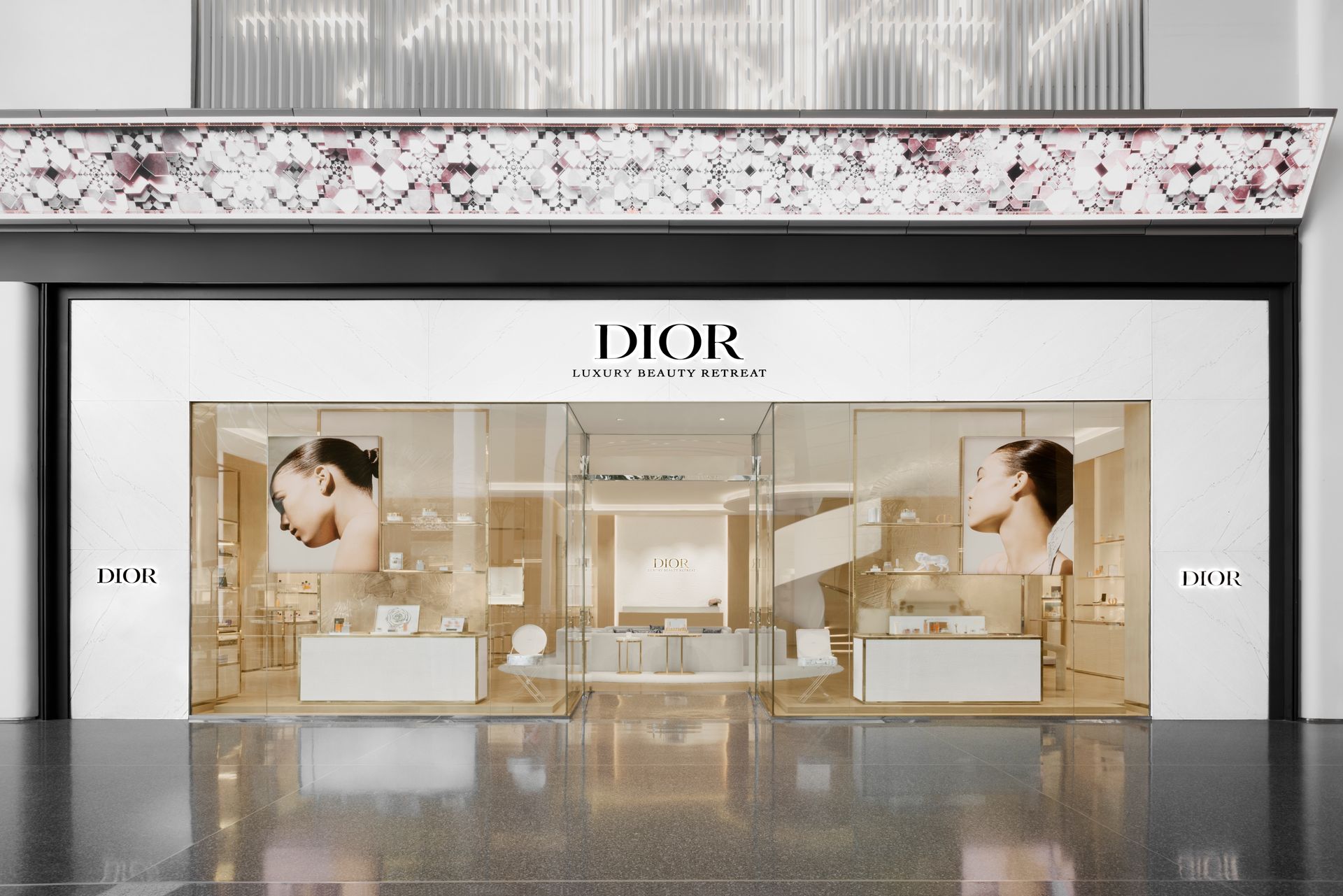
Dior Luxury Beauty Retreat Doha
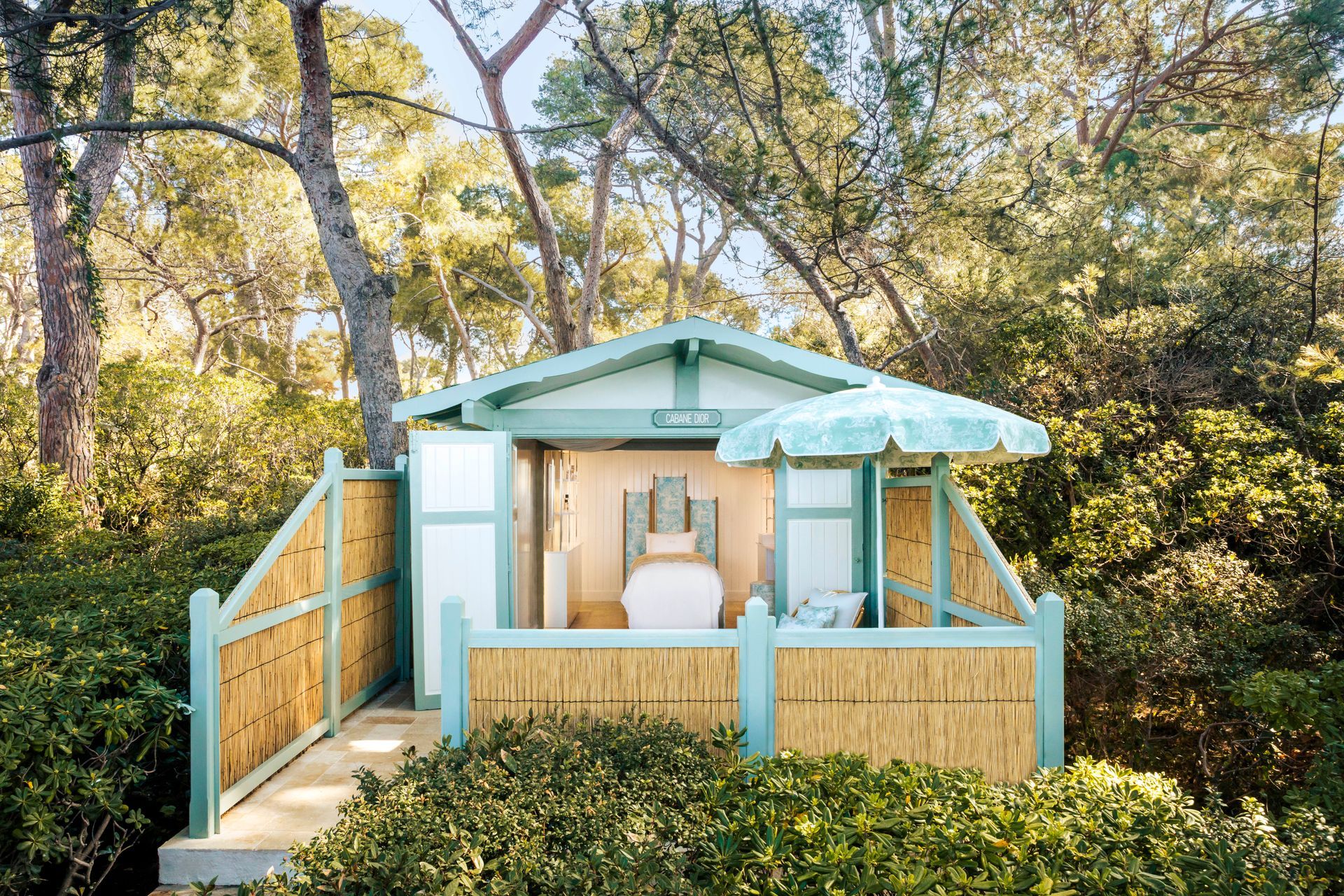
Dior Spa Eden-Roc
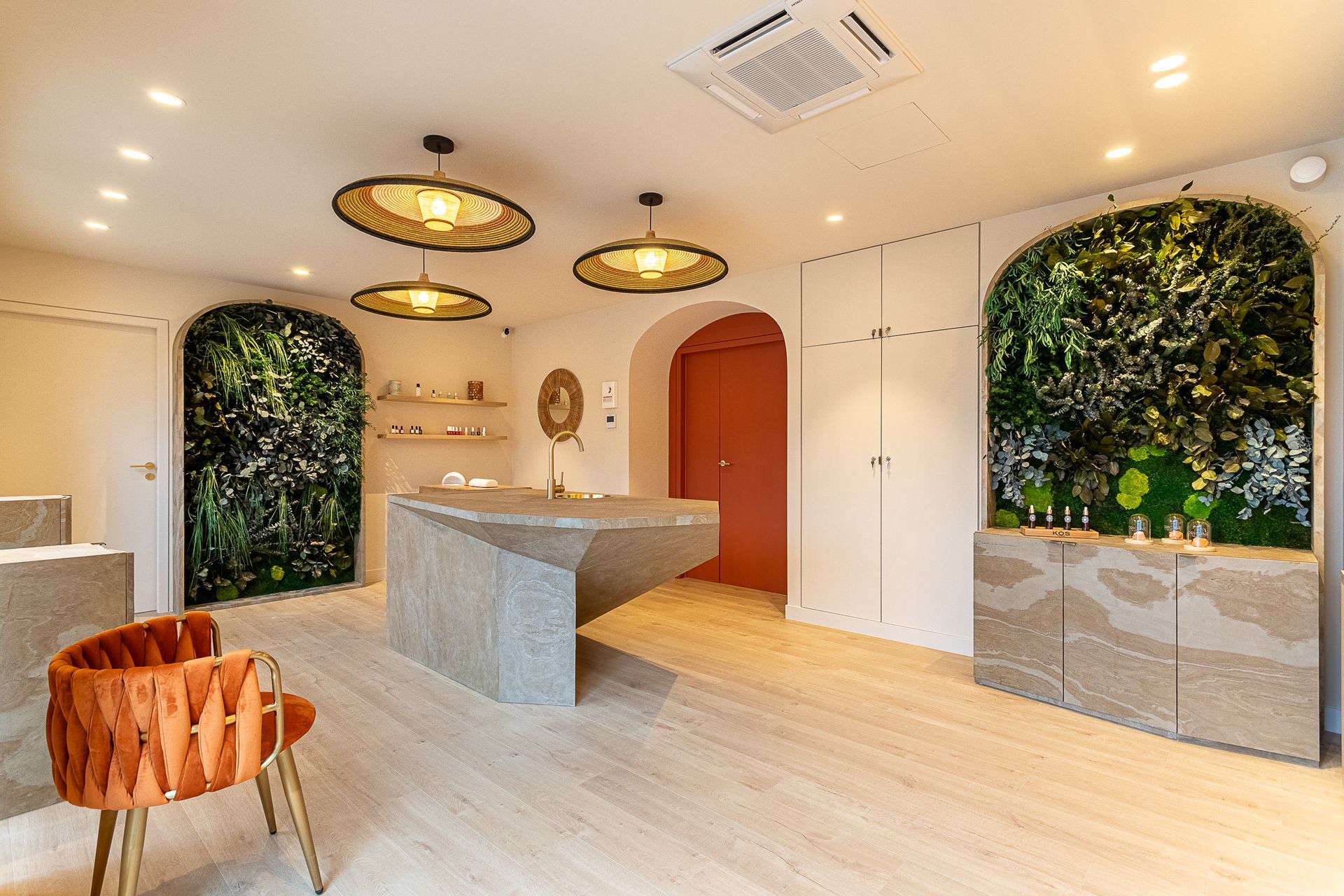
Arboressence - Urban Spa
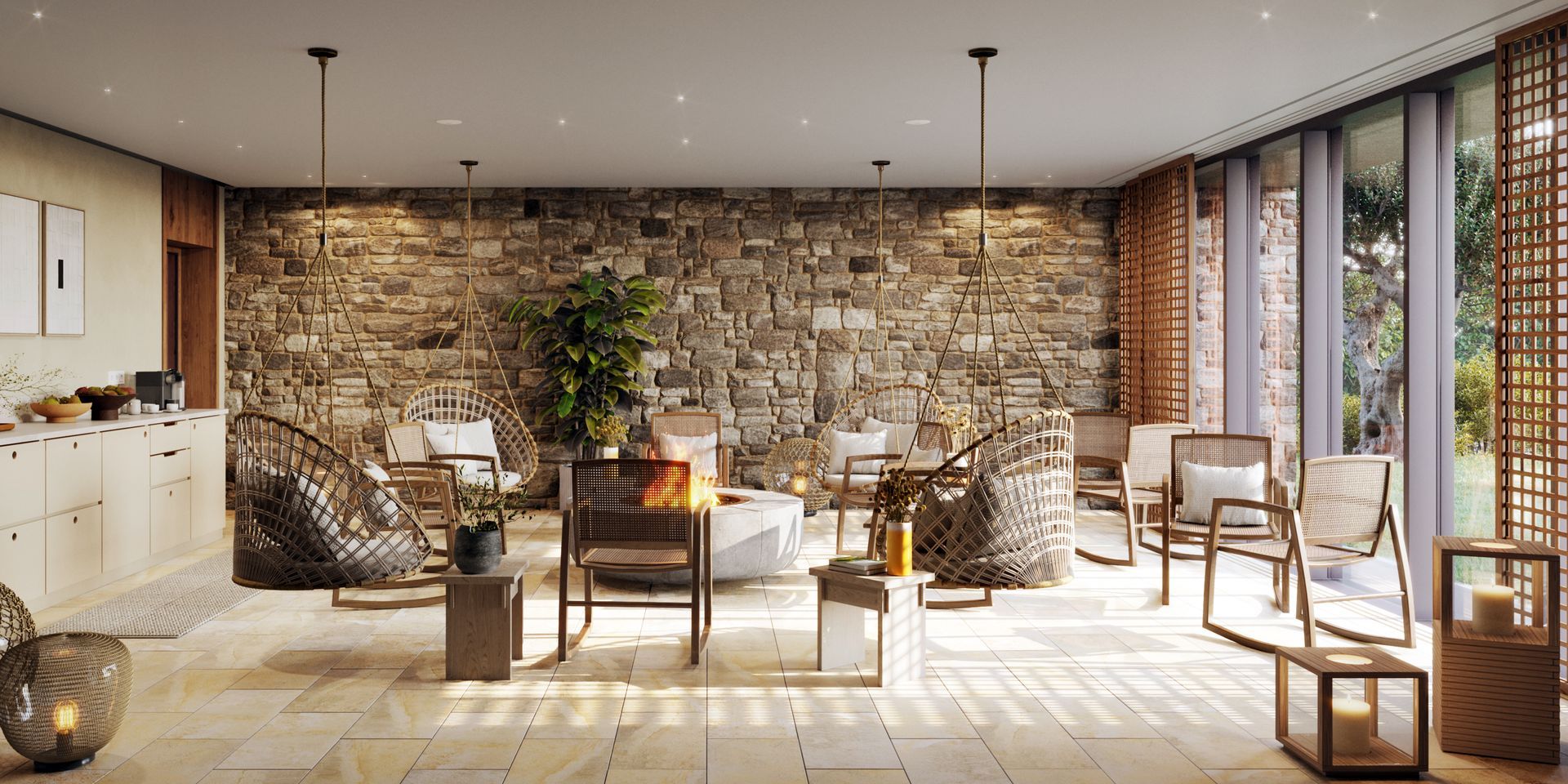
Spa L'Occitane Couvent des Minimes 5*
A multidisciplinary team
in support of your project
Our consultancy draws on a team of experts to create the best wellness concept for you:
- Sports specialist: bespoke fitness programs (yoga, Pilates, fitness, and unusual sports).
- Natural health and healthy eating specialist: integrating innovative, personalised approaches.
- Project management: a dedicated point of contact will manage the development of your concept from start to finish.
We also work with specialist doctors to ensure the scientific and medical credibility of every project.







Hotel Profitability Levers with Wellness Stays
| Objective | Action | Impact | Quick to launch |
|---|---|---|---|
| Increase RevPAR | Wellness stays | ★★★★☆ | Average |
| Reduce seasonality | Off-season health programmes | ★★★★★ | Average |
| Increase average guest spend | Coaching, nutrition, premium treatments, ancillary sales | ★★★★☆ | Very fast |
| Extend stays | 3- to 7-day wellness programs | ★★★★★ | Very fast |
| Build loyalty | Recurring programs | ★★★★☆ | Average |
Profitability
Hotels that incorporate a wellness offering can improve profitability in four key ways:
- increase occupancy rates;
- increase average spend per guest;
- extend the length of stays;
- build loyalty among high-spending guests.
Create your wellness destination
Themed stays and wellness programs offer a unique opportunity to meet today’s needs while significantly increasing your hotel’s profitability.
Ready to transform your property into a leading wellness destination? Contact our team today to bring a bespoke project to life—one that will delight your guests and add value to your property.
Key hotel KPIs
| Metric | Definition | Why it matters |
|---|---|---|
| Occupancy rate | Occupied rooms / available rooms | Measures occupancy |
| ADR | Average Daily Rate (ADR) | Indicates the pricing position |
| RevPAR | ADR × occupancy rate | Global benchmark for performance |
| Average length of stay | Average number of nights | Direct impact on profitability |
| TRevPAR | Total revenue per available room | Includes spa, dining, activities |
Frequently asked questions
on the design of wellness programs and themed stays
What Is a Hotel Profit Margin?
Worldwide, hotels generate an average GOP (Gross Operating Profit) of between 25% and 35% of revenue, with net margins ranging from 5% to 15% depending on the property’s category, location, and size. These benchmarks, drawn from leading industry studies (STR, HotStats, Deloitte), are broadly comparable across Europe, North America, and major Asian tourist destinations, although the exact figures vary with the local market, labor costs, and tax rates. Economy and midscale hotels tend to fall toward the lower end of this range, while upscale properties or those with ancillary revenue streams (spa, dining, activities) can achieve higher margins, wherever they are located.
What level of profitability should a hotel achieve?
A well-managed hotel should target a GOP of at least 30% and an annual occupancy rate above 65%. These two thresholds are generally considered benchmarks for a financially healthy property. Targets vary by segment, however: a 2–3-star hotel may aim for a GOP of around 25–30%, while a 4–5-star property with a differentiated offering (spa, wellness treatments, wellness) can reasonably target 35% or more, thanks to a higher average spend and better revenue generation from each available room. Setting a realistic target means looking not only at occupancy rates, but at all key hotel performance indicators (RevPAR, TRevPAR, average length of stay) shown in the table on the page. A hotel that builds multi-day wellness stays can put itself in a position to reach the top of these ranges, even in low season.
How do you calculate a hotel’s profitability?
Hotel profitability is measured using several complementary metrics rather than a single figure. GOP (Gross Operating Profit) is calculated as follows: Total Revenue – Direct Operating Expenses = GOP. The GOP margin is then calculated as GOP divided by total revenue. Commercial performance metrics also come into play: RevPAR (ADR × occupancy rate), which measures revenue generated per available room, and TRevPAR, which also includes ancillary revenue (spa, dining, activities, coaching). Finally, the return on investment (ROI) for a project—for example, creating a wellness space—is calculated by comparing the additional revenue generated with the investment cost over a given period. The hotel KPI table on this page explains each of these metrics and how to calculate them.
What Is a Hotel Occupancy Rate?
The occupancy rate is the percentage of rooms occupied over a given period, compared with the total number of rooms available. It is calculated simply: Number of Occupied Rooms ÷ Number of Available Rooms × 100. It is the most closely watched metric in hospitality because it directly reflects a property’s appeal and its ability to fill its rooms. However, it says nothing about rates or actual profitability: a hotel can have a high occupancy rate while heavily discounting rooms and making little profit. That is why it should always be considered alongside the average daily rate (ADR) and RevPAR. One of the main advantages of wellness stays is that they help smooth occupancy throughout the year by attracting health-focused guests who are less affected by the usual seasonality of leisure tourism.
What Is RevPAR?
RevPAR (Revenue Per Available Room) is the global benchmark for measuring a hotel’s commercial performance. It is calculated by multiplying the average daily rate (ADR) by the occupancy rate: RevPAR = ADR × Occupancy Rate. Unlike occupancy alone, it combines both sales volume and room rates, making it a much more reliable indicator of a property’s commercial health. Its limitation is that it only considers accommodation revenue: it excludes income from the spa, food and beverage, treatments and ancillary activities. For this reason, hotels developing wellness stays also track TRevPAR (total revenue per available room), a more comprehensive metric that captures the entire revenue ecosystem generated around the stay.
How can you make a hotel profitable?
Making a hotel sustainably profitable relies on four combined levers: increasing RevPAR, reducing seasonality, extending the length of stays, and building loyalty among high-spending guests. Introducing wellness stays impacts all four at once: it lets you sell 3- to 7-day stays instead of 1 or 2 nights, offer appealing sports, health, and wellness programs outside the traditional tourist season, increase average guest spend through treatments, coaching, and premium dining, and give loyal guests a reason to return regularly. The profitability levers table on this page details the impact and implementation time of each of these measures. Unlike a simple rate increase, this strategy builds structural profitability that is less dependent on seasonal peaks and room-night sales alone.
How can you optimise your hotel?
Optimizing a hotel means improving the efficiency of every dollar of revenue it already generates, day to day: using dynamic revenue management to set prices according to demand, digitalizing the guest journey (booking, check-in, automated upselling), training staff in additional sales, optimizing operating costs (energy, purchasing, staff scheduling), and making better use of underused spaces. Unlike overall profitability, optimization focuses on processes and operations rather than the wider commercial strategy. With this in mind, converting part of the property into a wellness space—even a single treatment room or a coaching area—optimizes an existing asset by turning it into a new revenue stream, without requiring major expansion work or the acquisition of additional land.
How to Attract New Guests to Your Hotel?
Attracting new guests means developing a differentiated offering that appeals to market segments the hotel has not previously reached. Wellness stays open the door to three new audiences in particular: health and prevention guests seeking detox, sleep, or fitness programs; corporate guests, through company retreats that combine work and wellness; and loyal guests looking to return regularly rather than simply passing through as tourists. Positioning your property as a true wellness destination, rather than just a hotel with a spa as an optional extra, helps you stand out from the usual price-based competition among similar properties and attract guests willing to spend more on a structured experience with personalized support.
How to Extend the Length of a Hotel Stay?
Average length of stay can be increased by structuring your offering around programs rather than simple overnight stays. A 3- to 7-day wellness retreat or program has its own rhythm, with phases for treatments, coaching, and rest. This naturally encourages guests to book for the full program rather than just one or two nights. Extending stays is one of the quickest and most effective ways to improve profitability, since each additional night generates incremental revenue without additional guest acquisition costs. In practice, this means creating packaged offers (accommodation + treatments + sports activity or excursion + meals), promoting themed programs (sleep, detox, fitness, longevity, etc.), and clearly communicating the benefits guests can expect by the end of their stay to justify the proposed duration.